
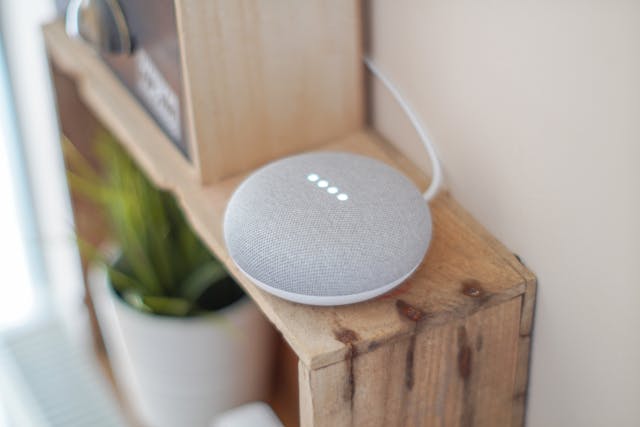
Smart homes offer unparalleled convenience and efficiency. You can control your lights and thermostat with a smartphone app and have a virtual assistant like Alexa at your beck and call. However, as we embrace the convenience, it’s essential to consider the potential risks and take proactive steps to ensure that your smart home stays secure.
We’ll explore some key strategies to protect your home and your privacy.
Smart Home Safety Tips You Need to Use
1. Secure Your Network
The foundation of any smart home is its network. Just as you wouldn’t leave your front door wide open, you shouldn’t neglect Wi-Fi security.
Here are best practices:
- Change your router’s default password to something strong and unique.
- Use WPA3 encryption.
- Create a separate guest network to isolate your smart devices from your main network.
- Regularly update your router’s firmware. Ensure it’s equipped with the latest security patches.
2. Strengthen Device Passwords
When setting up your smart devices, be diligent about choosing strong, unique passwords. Avoid using easily guessable information like “123456” or “password.” Use a combination of upper and lower-case letters, numbers, and symbols. Or three random words with no association combined with numbers and symbols. For added security, consider using a password manager that can generate strong passwords and store them for you.
3. Enable Two-Factor Authentication (2FA/MFA)
Many smart home device manufacturers offer 2FA/MFA (two-factor/multi-factor authentication), as an extra layer of security. By enabling this you can keep people out even if someone manages to guess your password. They won’t be able to get past the secondary authentication step. This provides an extra safeguard against unauthorised access.
4. Regularly Update Firmware
Firmware updates are essential for fixing security vulnerabilities in your smart devices. Manufacturers release these updates to patch discovered weaknesses. Make it a habit to check for firmware updates regularly and apply them promptly.
5. Vet Your Devices
Not all smart devices are created equal. When choosing new devices for your smart home, research the manufacturer’s reputation. Look for products that have a history of prompt updates and robust security features. Avoid purchasing devices from obscure or untrusted brands.
6. Isolate Sensitive Devices
Consider segregating your most sensitive devices onto a separate network, if possible. For example, use a dedicated network for:
- Smart locks
- Security cameras
- Other critical devices
This keeps them separate from your less critical gadgets. Such as smart bulbs or speakers. This way, even if a hacker compromises one network, the other devices remain secure.
7. Review App Permissions
Smart home apps often request access to various permissions on your devices. Before granting these permissions, scrutinise what data the app is trying to access. Decide whether it’s necessary for the device’s functionality. Restrict permissions to the least required for the device to operate.
8. Be Cautious with Voice Assistants
Voice-activated assistants like Alexa and Google Assistant are incredibly convenient but can also pose privacy risks. Review your voice assistant’s privacy settings. Be cautious about what information you share with them. Consider muting the microphone when you’re not actively using it. This prevents unintended eavesdropping.
9. Check Your Devices Regularly
Regularly check the status and activity of your smart devices. Look for any unusual behaviour. Such as devices turning on or off unexpectedly. Or unknown devices appearing on your network. If you notice anything suspicious, investigate and act promptly.
10. Understand Your Device’s Data Usage
Review your smart device’s privacy policy. Understand how it uses your data. Some devices may collect and share your information with third parties. It can be for advertising or other purposes. Make informed decisions about the devices you bring into your home.
11. Stay Informed
Finally, stay informed about the latest developments in smart home security. Subscribe to security newsletters. Follow reputable tech blogs. The more you know, the better equipped you’ll be to protect your smart home.
Smart homes offer incredible convenience, but they also come with risks you shouldn’t ignore.
Article used with permission from The Technology Press.
If you would like to discuss your technology requirements please:
- Email: hello@gmal.co.uk
- Visit our contact us page
- Or call 020 8778 7759
Back to Tech News


